
Katyayani Organics
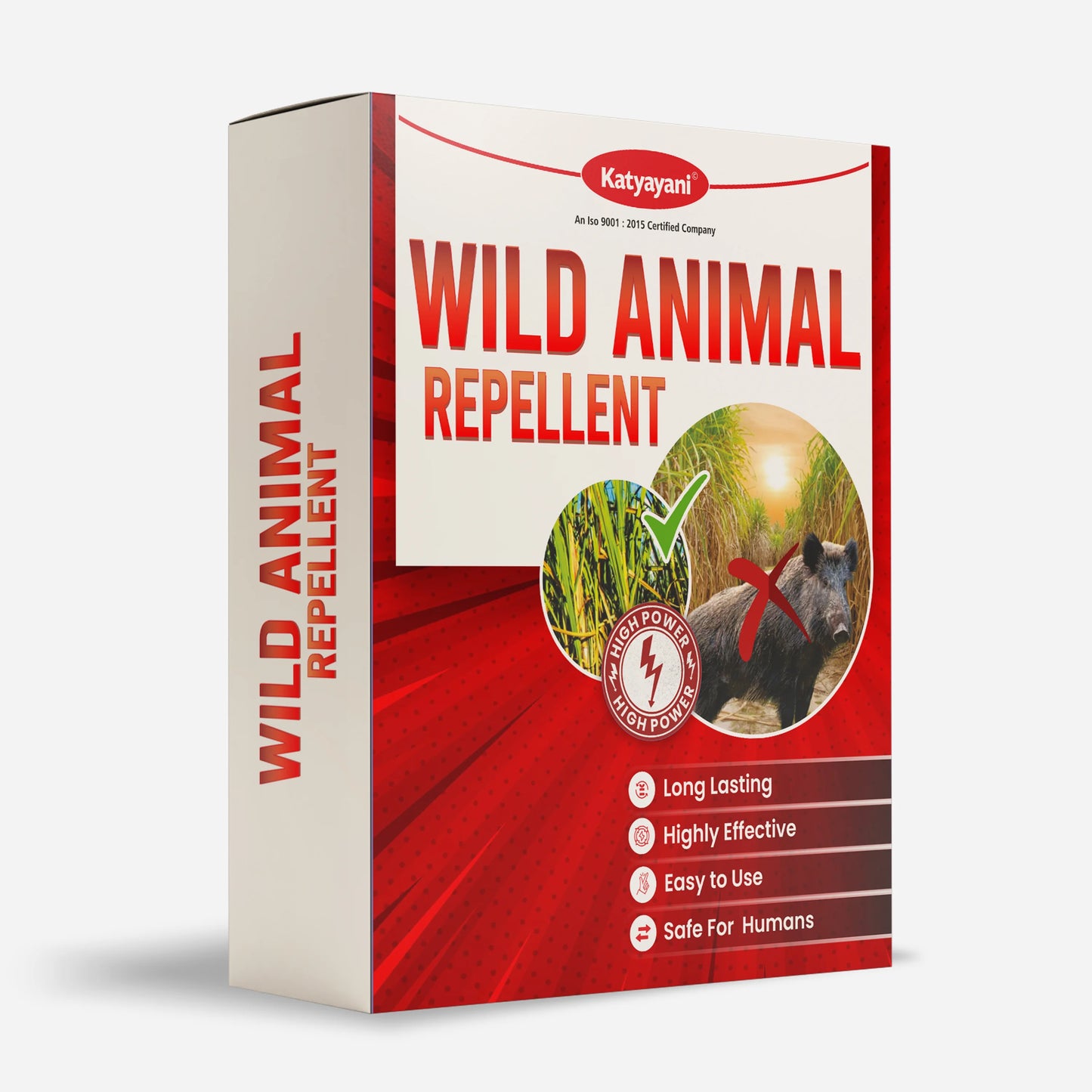
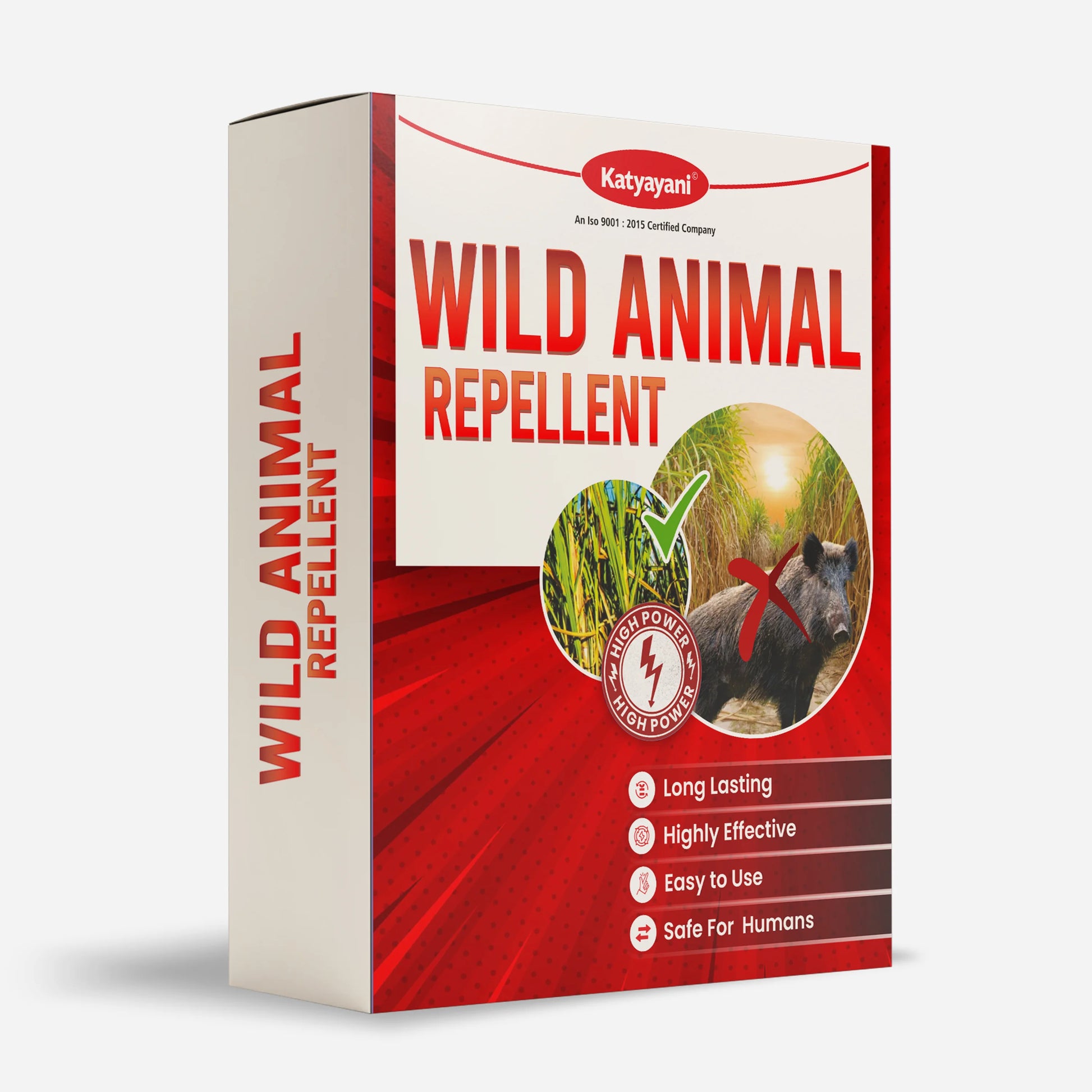
Katyayani Wild Animal Repellent Granules - 1 to 10 Kg
Katyayani Wild Animal Repellent Granules - 1 to 10 Kg
Regular price
Rs.451
Regular price
Rs.451
Rs.990
Sale price
Unit price
per
Over 100+ sold today!


Product Description
காத்யாயனி காட்டு விலங்கு விரட்டி என்பது ஒரு நச்சுத்தன்மையற்ற துகள் ஆகும். குறிப்பிட்ட பகுதிகளிலிருந்து விலங்குகளை நகர்த்த காட்டு விலங்கு விரட்டும் துகள்கள் பயன்படுத்தப்படுகின்றன. அவை பொதுவாக தோட்டம், சொத்து அல்லது வயல் போன்ற நீங்கள் பாதுகாக்க விரும்பும் பகுதியின் சுற்றளவில் சிதறிக்கிடக்கின்றன. துகள்கள் அழுகிய முட்டை, வேட்டையாடும் சிறுநீர் அல்லது மிளகாய் போன்ற விலங்குகளுக்கு விரும்பத்தகாத வாசனையை வெளியிடுகின்றன. இந்த வாசனை விலங்குகள் அப்பகுதிக்கு அருகில் வருவதைத் தடுக்கிறது.
காட்டு விலங்கு விரட்டியைப் பயன்படுத்துவதன் நன்மைகள்
- செயல்திறன்: விரட்டும் துகள்கள் மான், முயல்கள், ரக்கூன்கள், ஸ்கங்க்ஸ் மற்றும் பறவைகள் உட்பட பலவிதமான விலங்குகளுக்குத் தடையாக இருக்கலாம். துகள்களில் பெரும்பாலும் வலுவான நாற்றங்கள் அல்லது சுவைகளை வெளியிடும் பொருட்கள் உள்ளன, அவை இந்த விலங்குகள் விரும்பத்தகாததாகக் கருதுகின்றன, இதனால் அவை சிகிச்சையளிக்கப்பட்ட பகுதிகளைத் தவிர்க்கின்றன.
- செல்லப்பிராணிகள் மற்றும் குழந்தைகளைச் சுற்றிப் பயன்படுத்த பாதுகாப்பானது: பல விரட்டிகள் இயற்கையான பொருட்களைக் கொண்டு உருவாக்கப்படுகின்றன, மேலும் அவை செல்லப்பிராணிகள் மற்றும் குழந்தைகளைச் சுற்றி பயன்படுத்த பாதுகாப்பானவை.
- பயன்படுத்த எளிதானது: துகள்கள் பொதுவாக கையால் அல்லது ஒரு விரிப்பான் மூலம் பயன்படுத்த எளிதானது. உங்கள் சொத்தின் சுற்றளவு, தோட்டங்களைச் சுற்றி அல்லது விலங்குகளின் செயல்பாட்டை நீங்கள் கவனித்த குறிப்பிட்ட பகுதிகளுக்கு அருகில் அவை சிதறடிக்கப்படலாம்.
- நீண்ட காலம் நீடிக்கும்: விரட்டும் துகள்கள் வாரங்கள் அல்லது மாதங்கள் கூட பயனுள்ளதாக இருக்கும். இதன் பொருள் நீங்கள் ஒரு திரவ ஸ்ப்ரே மூலம் அடிக்கடி மீண்டும் விண்ணப்பிக்க வேண்டியதில்லை.
பயன்பாட்டு முறை
- காத்யாயனி காட்டு விலங்கு விரட்டும் துகள்களை ஏக்கருக்கு 3 கிலோ என்ற அளவில் வயல்/பாதிக்கப்பட்ட இடத்தின் எல்லையில் சமமாக விநியோகிக்க வேண்டும்.
- விண்ணப்பித்த 4 மாதங்களுக்குப் பிறகு மீண்டும் விண்ணப்பிக்க வேண்டும்.
காட்டு விலங்கு விரட்டியின் செயல் முறை
காட்டு விலங்குகளை விரட்டும் துகள்கள் விலங்குகளின் வாசனை மற்றும் சுவை உணர்வுகளை குறிவைத்து ஒரு விரும்பத்தகாத அனுபவத்தை உருவாக்கி ஒரு பகுதியிலிருந்து அவர்களைத் தடுக்கின்றன.
- விரும்பத்தகாத வாசனை: துகள்கள் பொதுவாக கடுமையான வாசனையுடன் கூடிய பொருட்களைக் கொண்டிருக்கின்றன, அவை விலங்குகள் புண்படுத்தும். இந்த பொருட்கள் அழுகிய முட்டை அல்லது ஆமணக்கு எண்ணெய் அல்லது செயற்கை போன்ற இயற்கையானதாக இருக்கலாம். துர்நாற்றம் காற்றிலும் தரையிலும் நீடித்து, விலங்குகள் உள்ளே நுழைவதைத் தடுக்கும் தடையை உருவாக்குகிறது.
- சுவை வெறுப்பு: சில விரட்டிகளில் விலங்குகளுக்கு மோசமான சுவையை ஏற்படுத்தும் பொருட்களும் அடங்கும். ஒரு விலங்கு துகள்களை உட்கொண்டால், விரும்பத்தகாத சுவை அவை திரும்புவதற்கான வாய்ப்பைக் குறைக்கும். கேப்சைசின் போன்ற சூடான மிளகு எண்ணெய்கள் பொதுவான சுவை-வெறுப்பு பொருட்களில் அடங்கும்.
- நீண்ட கால விளைவு: துகள்கள் காலப்போக்கில் மெதுவாக விரட்டிகளை வெளியிட வடிவமைக்கப்பட்டுள்ளன, பொதுவாக வாரங்கள் அல்லது மாதங்கள் கூட நீடிக்கும்.
Frequently Asked Questions
What is the best wild animal repellent?
What keeps the wild animals away?
What can I spray to keep animals away?
Which two ways can be used to repel wild animals?
What noise scares animals away?
Does vinegar keep animals away?
What frequency keeps animals away?
What is the most effective animal repellent?
Do coffee grounds keep animals away?
What chemicals repel animals?
How can I make homemade animal repellent?
What is a high-frequency animal deterrent?